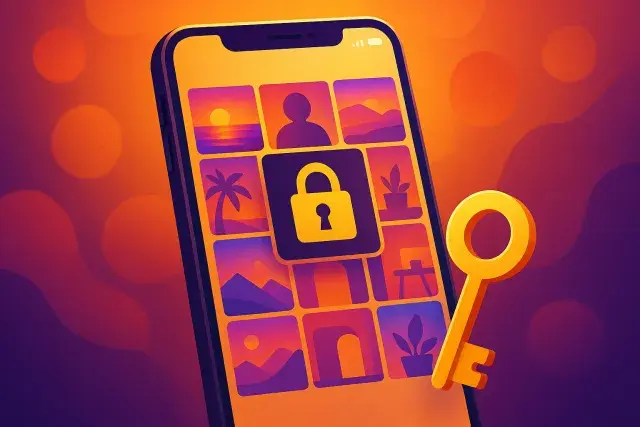
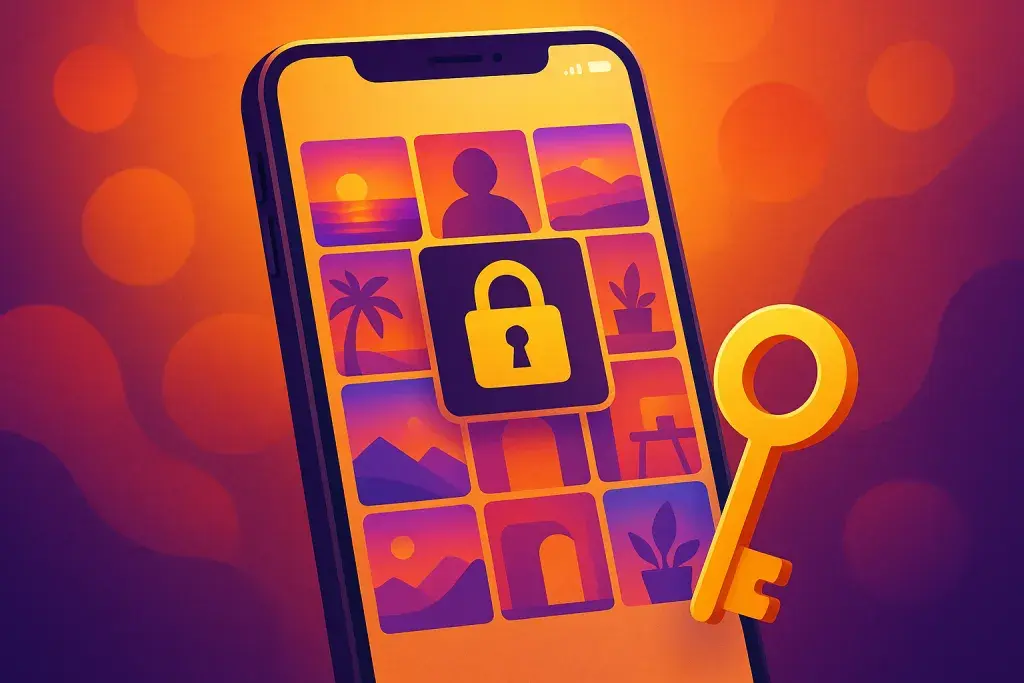
A locked post on Instagram sits behind a paywall of sorts - not a monetary one, but a permission wall. The content exists, the thumbnail shows up in a profile grid, yet the actual photo, video, or caption stays hidden until the viewer does something specific: follows an account, subscribes, or meets whatever condition the creator sets. This mechanic has quietly reshaped how creators think about exclusivity on the platform, and plenty of users still don't know how to activate it themselves.
What makes this feature worth understanding isn't just the novelty. It's the leverage it gives smaller creators who don't have the reach of major influencers but still want to build a loyal following. A locked post can act as a soft incentive - follow to unlock, subscribe to unlock, or in some configurations, pay to unlock. For creators trying to grow an audience from scratch, pairing this strategy with other growth tactics matters. Some turn to services like how can I boost my Instagram followers to build initial momentum before layering in gated content, since a locked post only creates curiosity if enough people are already looking at the profile.
This guide walks through the mechanics, the setup process, common mistakes, and the practical reasoning behind whether locking content actually helps or hurts an account's growth. Expect direct, tested information rather than speculation.
What Are Instagram Locked Posts
The Basic Concept
Instagram locked posts are pieces of content - images, carousels, or videos - that appear in a feed but remain blurred or inaccessible until the viewer completes a required action. The post itself is fully uploaded and public in the sense that its existence is visible; what's restricted is the ability to view the actual media or read the full caption.
How They Differ From Close Friends or Private Accounts
A private account blocks all content from non-followers. Close Friends restricts stories to a chosen list. Locked posts operate differently: they sit on a public or semi-public profile but hide individual pieces of content behind a specific trigger, most commonly a follow action or a paid subscription tier. The distinction matters because locked posts are designed for discovery - someone can stumble on a locked post through search or a shared link, see enough to get curious, and then decide whether to unlock it.
Why Instagram Introduced This Feature
Instagram has steadily added monetization and engagement tools for creators - subscriptions, badges, affiliate tools - and locked posts fit into that same push. The feature gives creators a way to convert casual viewers into followers or paying subscribers without requiring them to leave the platform or manage a separate membership system.
- Locked posts can be tied to follow requirements
- They can be tied to paid subscription tiers
- They appear in feeds and profile grids with a visible lock icon
Instagram Locked Posts Update: What Changed Recently
Rollout Timeline and Availability
Instagram introduced locked posts as part of a broader experiment with gated content, initially testing the feature with a limited set of creators before expanding availability. The instagram locked posts update has gradually widened access, though rollout speed still varies by region and account type, meaning not every user sees the option in their settings at the same time.
New Permissions and Controls
Recent changes have given creators more granular control over what triggers an unlock. Earlier versions of the feature leaned heavily on the follow-to-unlock model. The latest adjustments introduce more flexibility around combining locked posts with subscription tiers, letting creators decide whether a single follow is enough or whether deeper access requires a paid subscription.
What This Means for Everyday Users
For viewers, the update means locked content shows up more frequently in Explore and profile feeds, since Instagram is actively testing how these posts affect engagement. For creators, it means more experimentation is possible without needing third-party tools to gate content.
Instagram Locked Posts Guide: Step-by-Step Setup
Checking If the Feature Is Available on Your Account
Not every account has access yet. Open the Instagram app, go to your profile, and check the post creation options when uploading a new photo or video. If a "lock this post" or similar toggle doesn't appear, the feature likely hasn't rolled out to that account yet, or the account type (business vs. personal vs. creator) affects eligibility.
Creating a New Locked Post
The process generally follows these steps:
- Select the photo or video to upload as usual
- Proceed through the editing screen (filters, tags, location)
- Look for the advanced settings menu, typically near the caption field
- Select the option to lock the post and choose the unlock condition - follow or subscription
- Publish the post as normal
Locking an Existing Post
Some accounts can retroactively apply a lock to content already published, though this option is less consistently available than locking during initial upload. If the setting exists, it usually appears under the post's three-dot menu, labeled something like "edit visibility" or "manage access."
Choosing the Right Unlock Condition
Creators need to decide whether a simple follow is the barrier, or whether the post should be reserved for paid subscribers only. A follow-to-unlock model works better for growth-focused accounts. A subscription-based lock works better for creators already monetizing through Instagram's subscription tools.
Instagram Locked Posts Details: How Viewers Experience Them
What a Locked Post Looks Like in the Feed
Viewers see a blurred thumbnail with a lock icon overlay, along with a short prompt explaining what action unlocks the content. The caption is usually hidden as well, though the account name and post date remain visible.
The Unlocking Process From the Viewer's Side
Tapping a locked post brings up a simple prompt - follow this account to view, or subscribe for access. Once the viewer completes the required action, the post unblurs and becomes permanently viewable, even if they later unfollow (though this can vary depending on how the creator configured the post).
Privacy and Data Considerations
Locking a post doesn't change how Instagram handles the underlying data or who can technically access the file through other means, such as screenshots taken by someone who unlocked it. Creators should treat locked posts as a growth tool, not a security measure, since determined viewers can always bypass the lock by simply following.
Instagram Locked Posts Latest Trends and Creator Strategies
How Creators Are Using Locked Posts to Grow Followings
The most common strategy involves teasing a locked post in Stories or Reels, driving curiosity, and directing traffic to the main feed post where the follow-to-unlock prompt sits. This converts passive scrollers into followers far more effectively than a plain call-to-action caption.
Combining Locked Posts With Paid Subscriptions
Creators running Instagram's subscription program often reserve locked posts for their highest-value content - behind-the-scenes material, extended tutorials, or early access to announcements - as a way to justify the subscription cost beyond just badge perks in comments.
Common Mistakes to Avoid
- Locking too much content, which frustrates casual followers and reduces overall engagement
- Using vague unlock prompts that don't explain why the content is worth unlocking
- Ignoring analytics on which locked posts actually convert viewers into followers
Troubleshooting Common Issues
Locked Post Option Not Showing Up
This almost always comes down to eligibility. Business accounts and newer accounts sometimes face delays in receiving the feature. Updating the app to the latest version resolves this in some cases, since older app builds may not include the feature at all.
Viewers Reporting They Can't Unlock a Post
This typically happens when the account has restricted the unlock condition to subscribers only, but the prompt text doesn't make that clear. Creators should double check the wording shown to viewers to avoid confusion between a simple follow and a paid subscription requirement.
Locked Posts Not Appearing in Explore
Instagram's algorithm treats locked posts differently in distribution, sometimes limiting their reach compared to standard posts, particularly right after the instagram locked posts update rolled out new testing parameters. This is an area still under active adjustment by the platform.
Frequently Asked Questions
Can I lock a post after it's already been public for a while?
On accounts where the feature is available, retroactive locking sometimes works through the post's settings menu, but availability isn't guaranteed across all account types. If the option isn't visible, the safest approach is to delete and repost with the lock applied during upload.
Do locked posts affect my overall engagement rate?
Yes, often in mixed ways. Locked posts can boost follower conversion since viewers must follow to see the content, but they sometimes reduce likes and comments because casual scrollers skip past blurred content rather than unlocking it.
Will unfollowing an account re-lock a post I already unlocked?
This depends on how the creator configured the post. In most cases, once you've unlocked content by following, it stays visible even after unfollowing, but subscription-gated posts typically re-lock immediately if the subscription lapses.
Is the locked posts feature available to everyone right now?
No. Rollout has been gradual, and account type, region, and app version all influence whether the option appears. Checking for app updates regularly is the most reliable way to gain access sooner.
Can businesses use locked posts for promotions?
Yes, and many already do - gating a discount code or early product reveal behind a follow requirement is a common tactic. It works particularly well for driving quick follower spikes around a product launch.
Does locking a post hide it from hashtag searches?
The post can still surface in hashtag or Explore searches, but the actual content remains blurred until the viewer meets the unlock condition, so discoverability isn't affected - only visibility of the content itself.