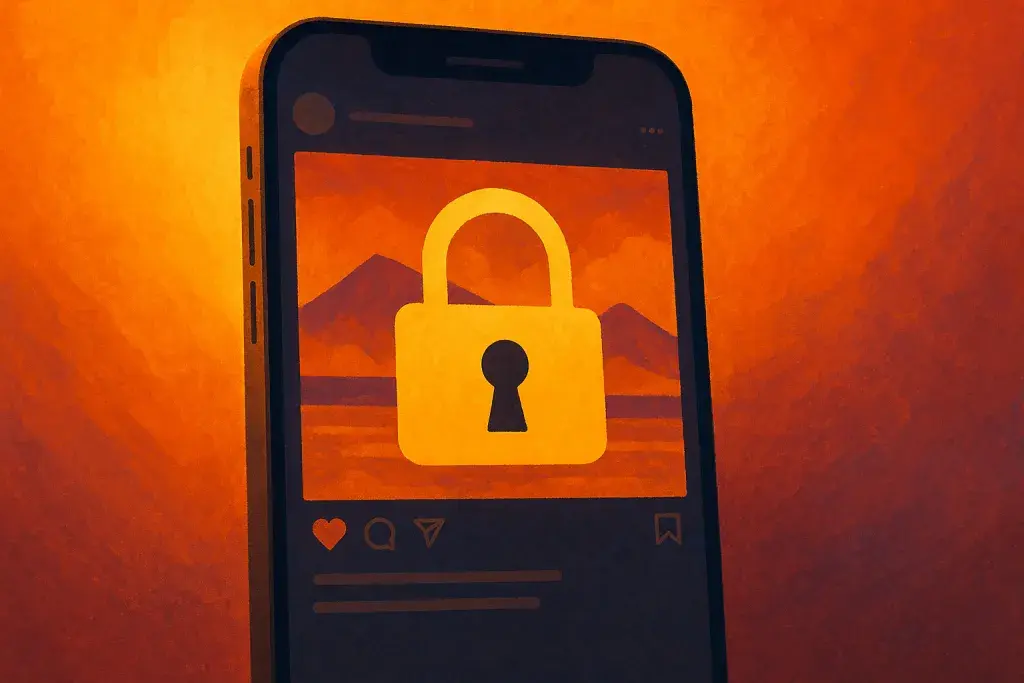
A locked padlock icon appearing next to a post you thought was public can trigger genuine alarm, especially for anyone running a business account or building an audience. Instagram introduced this labeling system quietly, without the fanfare of a major product launch, yet it changes how content gets distributed to followers and non-followers alike. Understanding what this feature actually does - and what it doesn't - separates users who adapt quickly from those who spend hours troubleshooting a problem that was never really broken.
The confusion around instagram locked posts stems from how the platform communicates changes to its users. Instagram rarely sends a direct notification explaining a new restriction; instead, creators notice reduced reach or a small lock symbol and start searching for answers. This gap between implementation and explanation is exactly why a detailed instagram locked posts guide matters right now. Account growth has become a competitive pursuit for many creators, and some turn to services like give me boost instagram followers to accelerate visibility - but a locked post can undercut that investment if the underlying cause isn't addressed first.
This piece breaks down the mechanics behind locked content, walks through the most common triggers, and offers a practical path for anyone trying to keep their account healthy and their posts visible.
Instagram Locked Posts What Is: The Basics Explained
Definition and Origin of the Feature
At its core, a locked post is content that Instagram has restricted from full public distribution. The platform applies a visual marker - typically a small padlock - to signal that the post's reach has been limited by an automated review process. This isn't a manual ban issued by a human moderator in most cases; it's the output of Instagram's content-scanning systems flagging something for further review or permanent restriction.
How It Differs From Shadowbanning
Shadowbanning became a popular term among creators frustrated by inexplicable drops in engagement, but it describes an informal, unconfirmed phenomenon. Locked posts, by contrast, are a documented and visible mechanism. The distinction matters: shadowbanning theories often lead to guesswork and unnecessary account changes, while a locked post gives you a concrete signal and, frequently, a stated reason.
Where You'll See the Lock Indicator
The padlock icon usually appears directly on the post thumbnail within your own profile grid or in the post insights panel. It won't typically show up in a follower's feed the same way, since the entire point of the restriction is to limit exactly that kind of exposure. Checking your own account regularly is the only reliable way to catch this early.
Instagram Locked Posts Details: Why Instagram Restricts Content
Community Guidelines Violations
The most common trigger involves a perceived violation of Instagram's Community Guidelines - content involving copyrighted music, misleading claims, or material flagged as sensitive. Automated systems scan uploads for pattern matches against known violations, and a false positive is entirely possible, particularly with audio tracks or recycled content from other platforms.
Spam and Bot-Like Activity Signals
Accounts that post at unnatural frequency, use identical captions across multiple posts, or exhibit engagement patterns resembling automated behavior are more likely to trigger locks. Instagram's systems are tuned to detect coordinated inauthentic activity, and legitimate creators sometimes get caught in that net simply by posting too aggressively during a short window.
Copyright and Intellectual Property Claims
Music licensing remains one of the largest sources of locked content. A post using a popular song without proper licensing can be locked in specific regions while remaining visible in others, depending on the rights holder's territorial agreements. This regional inconsistency confuses many users who see their post playing fine on one device but restricted on another.
Algorithmic Errors and False Flags
Not every lock stems from an actual violation. Automated review systems make mistakes, and completely compliant content sometimes gets caught by an overzealous filter. These cases are frustrating precisely because the appeal process, discussed later in this guide, is the only recourse.
- Copyrighted audio without proper licensing
- Repetitive or spam-like posting behavior
- Content matching flagged patterns from other reported posts
- Sensitive material requiring age-restriction review
- False positives from automated moderation systems
Instagram Locked Posts Guide: Step-by-Step Response Plan
Checking Your Post Status Correctly
Start by opening the post in question and tapping into the insights view. Instagram usually provides a brief explanation alongside the lock indicator, specifying whether the restriction relates to copyright, community standards, or distribution limits. This step alone resolves much of the initial confusion, since the platform is more transparent here than in most other moderation contexts.
Reviewing Instagram's Stated Reason
Read the specific wording carefully. A note referencing "reduced distribution" differs meaningfully from one citing a "policy violation." The former often resolves on its own within days as the algorithm reassesses the content; the latter typically requires direct action, such as removing an audio track or editing a caption.
Submitting an Appeal the Right Way
If you believe the lock was applied in error, Instagram provides an appeal option directly within the post's status screen. Keep the appeal factual and brief - state clearly why the content complies with guidelines and avoid emotional language. Appeals reviewed by human moderators tend to move faster when the request is specific rather than a general complaint about unfairness.
Adjusting Content to Prevent Future Locks
For creators repeatedly hit by copyright locks, switching to licensed audio libraries built into Instagram's own creation tools solves the problem at its root. For those flagged over posting frequency, spacing uploads more naturally - rather than batching several posts within minutes - reduces the chance of a spam-pattern flag.
Instagram Locked Posts Latest: Recent Platform Changes
Updated Enforcement Patterns
Instagram continues refining how aggressively it applies distribution locks, particularly around music copyright enforcement, which has tightened as the platform expands licensing agreements with record labels globally. Creators posting in regions with fewer licensing deals in place are more likely to encounter locks tied to audio content.
New Transparency Measures
The platform has moved toward giving creators clearer, more specific explanations when a post is restricted, rather than the vague "doesn't follow guidelines" messaging that frustrated users for years. This shift reflects broader pressure on major platforms to justify moderation decisions rather than leaving creators guessing.
Impact on Creator Monetization
Locked posts directly affect eligibility for monetization features tied to reach and engagement thresholds. A creator relying on bonus programs or branded content deals needs to treat a locked post as an immediate priority, since prolonged restriction can affect standing in monetization eligibility reviews.
Practical Impact: What Locked Posts Mean for Your Strategy
Effect on Reach and Discoverability
A locked post won't appear in the Explore tab, won't surface in hashtag searches, and receives limited placement even among your existing followers. This creates a measurable dip in impressions that shows up clearly in post insights compared to unrestricted content published around the same time.
Consequences for Business and Creator Accounts
Business accounts depend on consistent visibility for campaign performance. A locked post during a promotional push can quietly undercut an entire marketing calendar, which is why monitoring post status immediately after publishing has become a standard practice for social media managers.
How It Affects Follower Growth Over Time
Repeated locks signal to the algorithm that an account may be a lower-quality distribution candidate, which can suppress reach on future posts even after the specific restriction is lifted. This makes prevention far more valuable than reactive appeals, especially for accounts actively trying to grow their follower base.
Frequently Asked Questions
Can a locked post still be seen by my current followers?
Yes, in most cases your existing followers can still view the post in your grid and profile, but it won't be promoted through Explore, hashtags, or suggested content to new audiences. The lock primarily restricts discovery-based distribution rather than removing the post entirely.
How long does a typical lock last?
Duration varies by cause. Copyright-related locks tied to music can persist indefinitely in restricted regions, while distribution limits from algorithmic review often lift within a few days if no further violations occur. There's no fixed timeline Instagram publishes for every case.
Will deleting and reposting the content fix the issue?
Reposting identical content that triggered a lock usually results in the same restriction, since the underlying cause - whether copyrighted audio or a flagged pattern - remains unchanged. Editing the specific element that caused the lock, such as replacing the audio track, is far more effective than simply reposting.
Does a locked post hurt my overall account standing?
A single locked post rarely causes lasting damage, but a pattern of repeated locks can influence how the algorithm treats future content from your account. Addressing the root cause quickly protects your broader distribution over time.
Can I tell in advance if a post is likely to get locked?
There's no reliable preview tool, but posts using unlicensed music, excessive hashtag repetition, or content resembling previously flagged material carry higher risk. Reviewing Instagram's audio library and pacing your posting schedule reduces this risk substantially.
Is there a way to speed up the appeal review process?
Submitting a clear, specific appeal that references the exact guideline you believe was misapplied tends to get reviewed faster than a vague complaint. Avoid submitting multiple duplicate appeals for the same post, as this can slow the review rather than accelerate it.