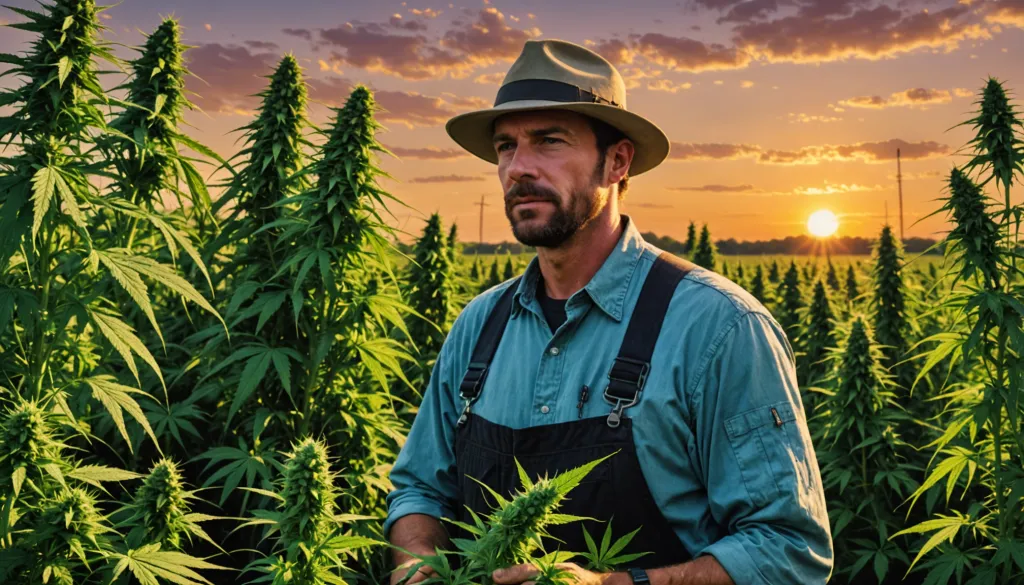
A Lancaster County hemp entrepreneur is warning that a looming federal deadline could gut a Pennsylvania industry estimated to generate a billion dollars a year, as Congress weighs closing the loophole that has allowed hemp-derived THC beverages, gummies and topicals to reach store shelves without the regulatory scaffolding built around adult-use cannabis. Jake Sitler, founder of the wellness brand Endo and president of the Pennsylvania Hemp and Cannabis Guild, is opening retail locations in Lancaster and Marietta even as lawmakers in Washington set a December deadline to decide whether to tighten restrictions or ban the products outright.
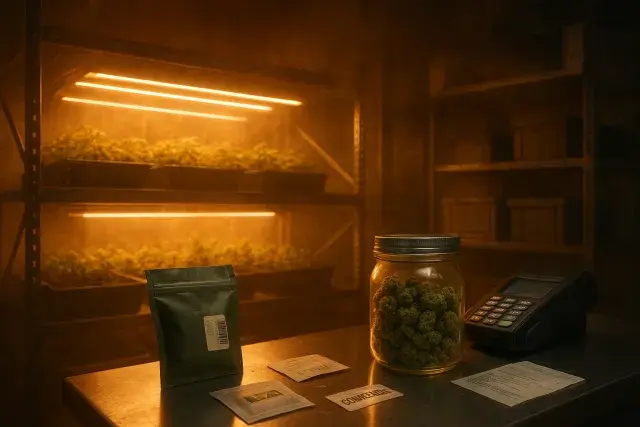
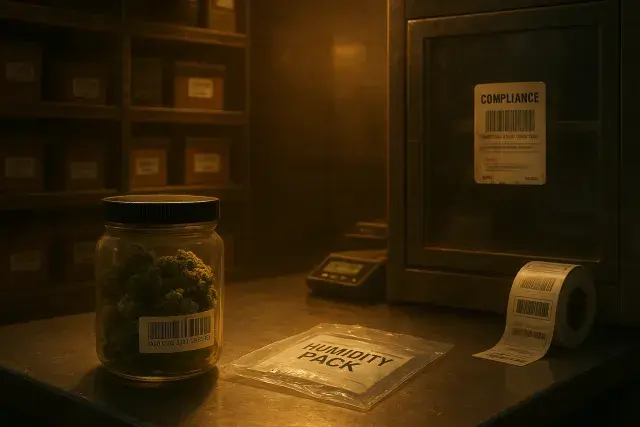
The tension here is structural, not incidental. Since the 2018 Farm Bill legalized hemp cultivation, products containing Delta-9 THC derived from hemp rather than marijuana have occupied a gray zone - federally legal, state-regulated in patchwork fashion, and largely absent from the seed-to-sale tracking, lab testing, and licensing infrastructure that governs state-licensed cannabis retailers. That gap is exactly what's drawing scrutiny. Licensed dispensaries operating under state cannabis programs already run compliant packaging, batch-level COAs, and inventory logged through a cannabis point of sale system washington operators and others across regulated states rely on to satisfy auditors; hemp retailers selling intoxicating products, by contrast, have often operated with none of that oversight, selling through gas stations, vape shops, and general retail without age-verification mandates or consistent testing standards. cannabis point of sale system washington
Why Regulators Call It the Wild West
Pennsylvania Attorney General Dave Sunday has framed his concern plainly: companies can currently manufacture and sell intoxicating hemp products with little to no regulatory guardrail, which leaves consumers, and particularly minors, exposed. That's the crux of the policy debate playing out in Harrisburg and Washington simultaneously. Unlike state-licensed marijuana retailers, who operate under license caps, mandatory lab testing, and strict marketing rules, hemp-derived THC sellers in many states have not been required to verify age at the point of sale, disclose potency consistently, or submit products for third-party testing before they reach a shelf. Sitler says his stores post 21-and-over signage and support regulation - a position he frames as distinguishing responsible operators from bad actors who've drawn the regulatory heat in the first place.
What a Ban Would Mean for Farmers and Retailers
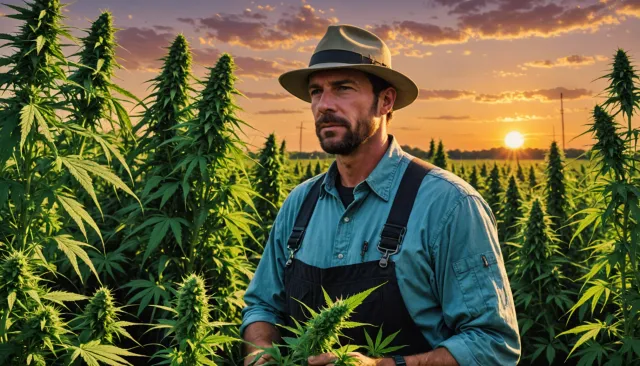
A federal ban wouldn't just close storefronts; it would ripple back through the supply chain to the farmers growing hemp under contract, the processors extracting cannabinoids, and the wholesale menus that smaller retailers depend on to stock beverages and topicals. Sitler's advocacy through the Pennsylvania Hemp and Cannabis Guild centers on a compromise: real regulation - testing requirements, packaging standards, age restrictions - without a blanket prohibition that would eliminate the agricultural production side of the business along with it. That distinction matters for operators watching from other states, since Pennsylvania's fight is a preview of a broader reckoning between hemp's loosely regulated retail channel and the more tightly controlled compliance apparatus that licensed cannabis businesses already absorb as a cost of doing business.
The Compliance Gap Regulators Are Targeting
- Lack of mandatory age verification at many hemp retail points of sale
- Inconsistent lab testing and COA disclosure compared to state-licensed cannabis programs
- Absence of seed-to-sale tracking equivalent to systems like METRC used in regulated markets
- Minimal packaging and labeling standards for potency and cannabinoid content
- Retail access through general commerce channels rather than licensed, age-restricted storefronts
Whatever Congress decides by December, the outcome will shape more than one state's balance sheet. It will help determine whether hemp-derived THC products get absorbed into a regulatory framework resembling licensed cannabis retail - complete with testing, tracking and tax obligations - or whether the market simply disappears under a federal ban, taking farmers, small retailers and a still-developing supply chain down with it.