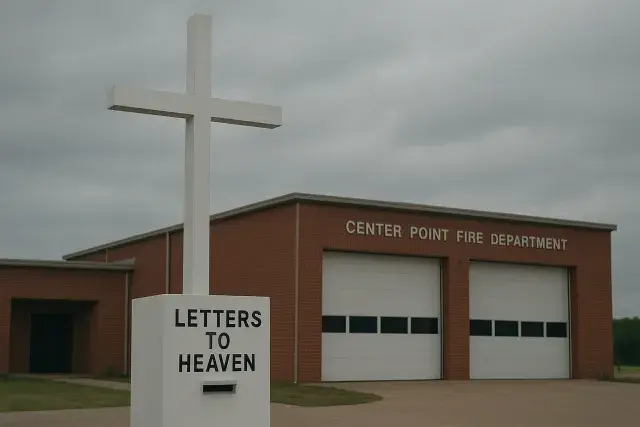
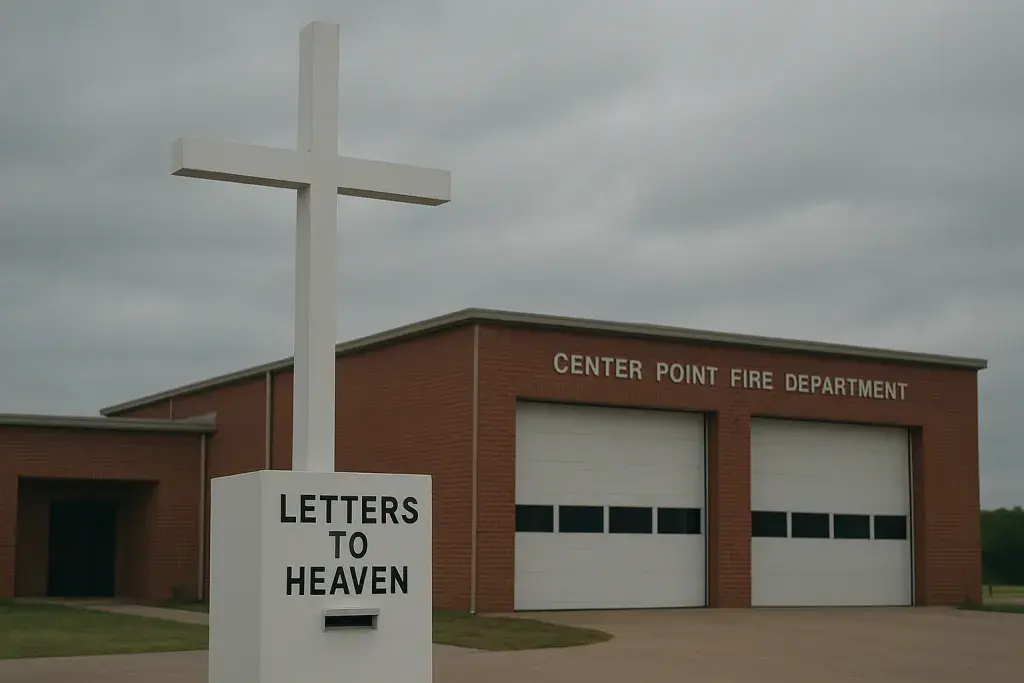
A second catastrophic flood in Kerr County within twelve months has forced Texas Hill Country communities to confront a grim reality: disaster recovery for small businesses, first responders, and local institutions is rarely a one-time event. A 20-foot-tall white cross still stands in front of the Center Point fire station, "Letters to Heaven" marking a mail slot where notes to campers and counselors lost at Camp Mystic last July are still deposited. That memorial, now standing amid fresh flood damage, is a stark marker of how quickly recovery infrastructure can be undone.
For any small business operator in a flood-prone region - dispensaries included, given how many licensed cannabis retailers sit in strip centers and standalone buildings vulnerable to water intrusion - this story carries a harder lesson than sympathy alone. Physical infrastructure that took a year to rebuild, like the Center Point fire station's recently repaired equipment, can be wiped out again in hours. Retailers operating under state seed-to-sale tracking mandates know this risk intimately: a flooded stockroom doesn't just mean water damage, it means destroyed inventory that must be reconciled against METRC records, insurance claims that require documentation most owners scramble to produce after the fact, and compliance logs that need to survive even when the building doesn't. Operators who rely on a cloud-based POS system for dispensaries have an advantage here, since transaction and inventory data stored off-site remains accessible even if a physical location is destroyed or inaccessible for weeks.
Business Continuity Beyond the Immediate Disaster
The Center Point account makes clear that recovery is not linear. Homes and buildings repaired after 2025 were damaged again this year, and some equipment was lost twice over. For licensed cannabis retailers, this pattern should inform how business continuity plans are structured. A compliance program built only around routine inspections, lab testing schedules, and standard inventory audits will not hold up when a natural disaster forces an emergency closure. States that regulate adult-use and medical cannabis typically require retailers to report significant inventory loss to state tracking systems within a set window, and destroyed product must be documented, not simply written off. Operators in flood zones, wildfire corridors, or hurricane paths need disaster-specific protocols: backup data storage, off-site record retention, and clear communication plans with state regulators when normal reporting timelines become impossible to meet.
What Repeated Disasters Mean for Local Retail Economics
Property damage figures cited by Texas officials - well over a hundred homes destroyed or severely damaged, hundreds more structures affected - reflect the kind of economic disruption that ripples through every small business in a community, cannabis retailers among them. Foot traffic disappears when residents are displaced. Wholesale supply chains face delivery manifest delays when roads wash out. Payment processing, already a persistent headache for cannabis retailers barred from many traditional banking relationships, becomes harder still when cashless payment infrastructure or point-of-sale terminals go offline during evacuations. None of this is unique to cannabis, but the sector's thinner margins under 280E tax treatment and its lack of access to federal disaster relief programs available to other small businesses make repeated flooding events disproportionately damaging to licensed operators trying to stay compliant while simply staying open.
The Human Cost Behind the Compliance Paperwork
It is worth remembering that behind every inventory reconciliation and insurance claim are people - first responders like Razor Dobbs and Darcy Hasty, case managers like Angie Walters - carrying trauma that doesn't resolve on a regulatory timeline. Retail operators managing staff who live in these same communities should treat mental health support as part of disaster planning, not an afterthought. Mandatory therapy programs, like the one instituted by Center Point's fire chief, offer a model worth studying, even for industries far removed from emergency response.