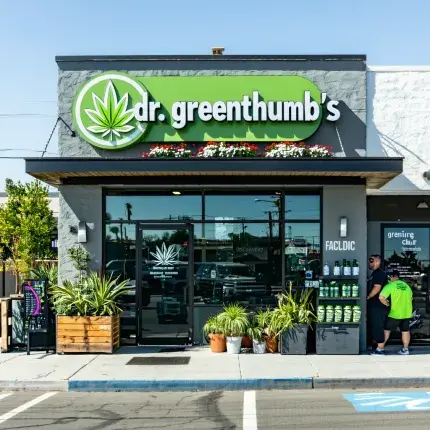
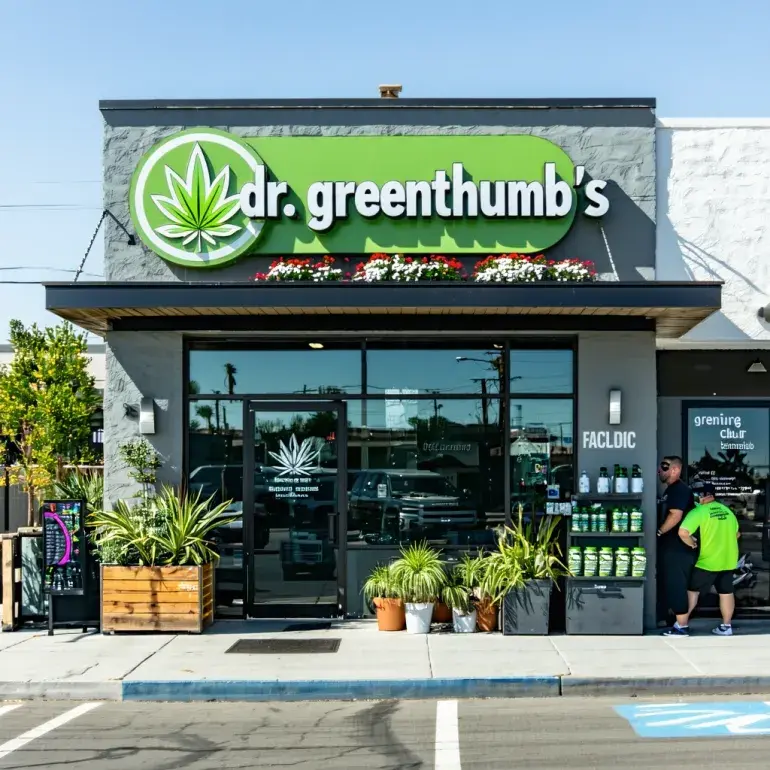
In Orcutt, the third cannabis dispensary for unincorporated Santa Barbara County, Dr. Greenthumb’s at 1604 E. Clark Ave., gears up for a grand opening this Saturday. This milestone reflects years of regulatory hurdles and signals growing normalized access to cannabis amid California's evolving landscape, promising economic boosts while raising community oversight needs.
Key Opening Details and Preparations
Nestled in a modest shopping center beside a cellphone store, urgent care, and nail salon, the new Dr. Greenthumb’s emphasizes compliance from day one. A prominent sign enforces no smoking, vaping, or consumption on-site or within 50 feet, aligning with strict county rules. The store's 20 employees have completed training, and a high-profile grand opening from 9 a.m. to 9 p.m. features live music, food, and a meet-and-greet with Cypress Hill's B-Real, a brand co-founder. This marks the chain's sixth California spot and second in the Santa Maria Valley, following Guadalupe's Root One.
Navigating a Rigorous County Approval Process
Three years after Santa Barbara County greenlit six dispensaries—one per unincorporated planning area—Dr. Greenthumb’s emerges as just the third operational, after Isla Vista's Farmacy and Santa Ynez's counterpart. Supervisors like Bob Nelson and Steve Lavagnino highlight the deliberate pace, crediting it to thorough vetting amid lawsuits, supply shortages, and a slumping market. Nelson stresses post-opening monitoring of security, compliance, and community impact, underscoring the county's balanced approach despite personal views on cannabis.
- Only two prior county shops open; Orcutt joins them, leaving Los Alamos, Carpinteria, and eastern Goleta Valley in progress.
- Permits awarded via applicant rankings, with new entrants like Honalee Management's Cottonwood Roots stepping in for Los Alamos.
- Local cities host additional outlets, while Santa Maria weighs entry for tax relief.
Broader Implications for Communities and Cannabis Trends
This opening embodies California's 2016 voter mandate for legalization, where regulated retail curbs black-market risks and generates tax revenue—though Santa Barbara's rollout lags due to caution against over-proliferation. Economically, dispensaries like these could ease municipal budgets, as seen in Santa Maria's deliberations, while culturally normalizing cannabis as a lifestyle choice akin to alcohol. Public health experts note benefits in product testing and age controls, yet vigilance against youth access and impaired driving remains key. As Island Drift and others advance, expect steadier supply chains and market stabilization, fostering safer, community-integrated cannabis access countywide.