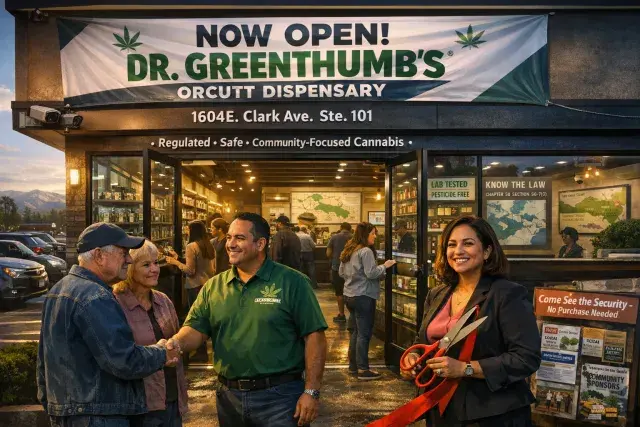
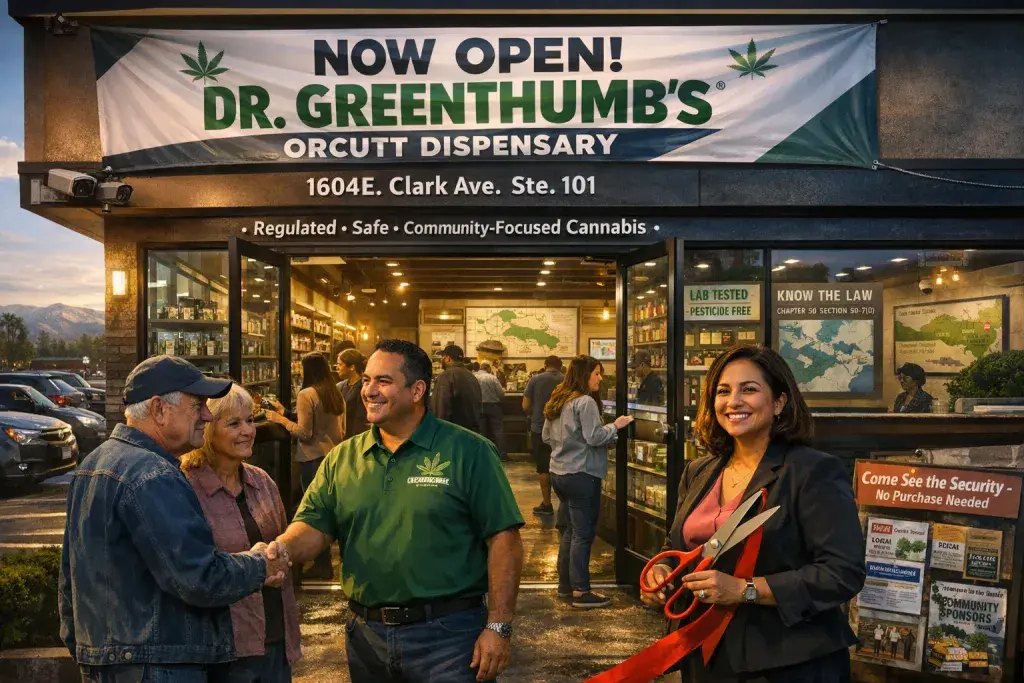
Dr. Greenthumb’s cannabis dispensary swung open its doors on December 7 at 1604 East Clark Ave., Ste. 101 in Orcutt, becoming the third of six county-approved storefronts in unincorporated Santa Barbara County to launch. This milestone offers Santa Maria Valley residents easier access to regulated cannabis products, signaling steady progress in local normalization amid California’s evolving legalization landscape.
Navigating the County’s Strict Licensing Framework
Santa Barbara County caps storefront dispensaries at six across targeted unincorporated areas—Eastern Goleta Valley, Isla Vista, Los Alamos, Orcutt, Santa Ynez, and Toro Canyon/Summerland—to prevent oversaturation. Dr. Greenthumb’s aced the rigorous criteria-based process, scoring highest in Orcutt with at least 85% on its application, weighted 90% toward neighborhood compatibility.
- Key requirements: Customer and community education plans, odor control, parking solutions, and design integration.
- Prior public input shaped priorities via meetings two months before applications.
- Steps followed: Land use permit, business license, and state DCC licensure.
Carmela Beck, county cannabis program manager, emphasized Chapter 50, Section 50-7(b) regulations ensure balanced growth, protecting community character while fostering economic benefits.
Community-Focused Model Eases Access and Skepticism
As the second Valley storefront after Root One in Guadalupe, Dr. Greenthumb’s adopts a “grocery store model” for intuitive browsing of products targeting sleep, pain relief, and more. General manager Thomas Casarez highlights third-party testing for contaminants, building trust in clean, safe cannabis—a critical factor as regulated markets reduce black-market risks.
Positive local feedback underscores convenience for Santa Maria folks, with plans for event sponsorships and local business support to weave the dispensary into Orcutt’s fabric.
Implications for Cannabis Normalization and Public Health
This opening reflects broader trends: Since California’s 2016 legalization, regulated dispensaries have cut illicit sales by emphasizing safety and education, lowering pesticide exposure and overdose rates per state data. In rural counties like Santa Barbara, measured rollout prevents urban-style clustering issues, promoting health-focused use—cannabis aids chronic pain for 20 million Americans annually, per expert estimates.
With three sites live and three pending, expect fuller coverage soon, boosting tax revenue while prioritizing compatibility. Casarez invites skeptics: “Come see the security firsthand—no purchase needed.” This approach demystifies cannabis, aligning with cultural shifts toward wellness integration.