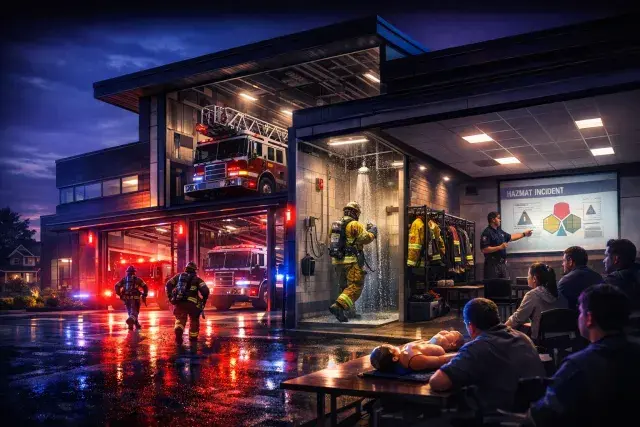
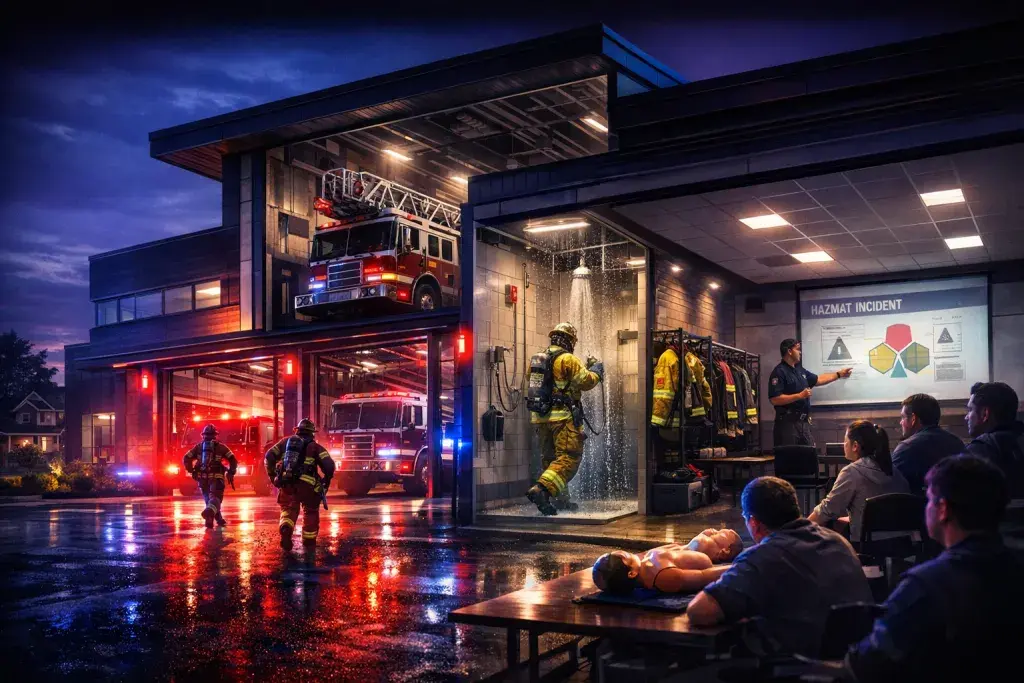
The city of Elk River is moving forward with designs for a new fire station that prioritizes space for oversized equipment, expansive training classrooms, properly scaled decontamination areas, and efficient drive-through bays. Renderings submitted by CNH Architects highlight these features, addressing the limitations of the community's aging infrastructure and enhancing public safety in a growing suburb.
Key Features Tailored for Contemporary Needs
Modern firefighting demands facilities that accommodate larger apparatus and specialized operations. Elk River's proposed station incorporates several forward-thinking elements:
- Sufficient space for current and future equipment, including taller ladder trucks and bulkier rescue vehicles.
- Large classrooms dedicated to firefighter training and community education programs, fostering proactive fire prevention.
- “Appropriately sized” decontamination zones to handle hazardous materials incidents and medical cross-contamination risks effectively.
- Drive-through apparatus bays that streamline deployment, reducing response times critical in emergencies.
These designs reflect input from CNH Architects, ensuring the station meets national standards like those from the International Association of Fire Chiefs.
Overcoming an Aging Infrastructure
Elk River's current fire station, built decades ago, struggles with cramped bays and inadequate training areas amid population growth and evolving threats like chemical spills and active shooter scenarios. An aging facility hampers efficiency—narrow doors delay apparatus exits, and limited decon space exposes responders to contaminants. This project replaces obsolescence with resilience, drawing from trends where U.S. fire departments have modernized 20% of stations since 2010 to handle bigger rigs averaging 10 feet tall, up from 8 feet in the 1990s.
Implications for Community Safety and Resilience
Beyond immediate upgrades, the new station positions Elk River as a safety leader in the region. Enhanced training facilities will support public CPR classes and youth fire safety workshops, potentially cutting incident rates by 15-20% as seen in similar upgrades elsewhere. Decontamination emphasis aligns with rising hazmat calls—up 30% nationally per NFPA data—protecting first responders from long-term health risks like cancer linked to toxins. Drive-through bays could shave minutes off response times, vital where every second counts in cardiac arrests or structure fires. This investment signals a broader shift toward proactive, community-integrated emergency services amid urbanization and climate-driven wildfire risks.