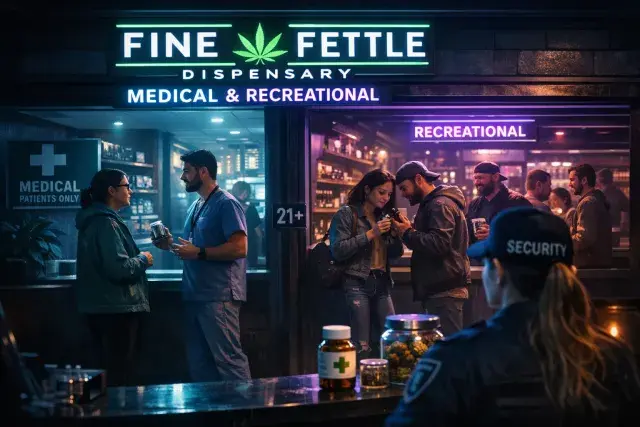
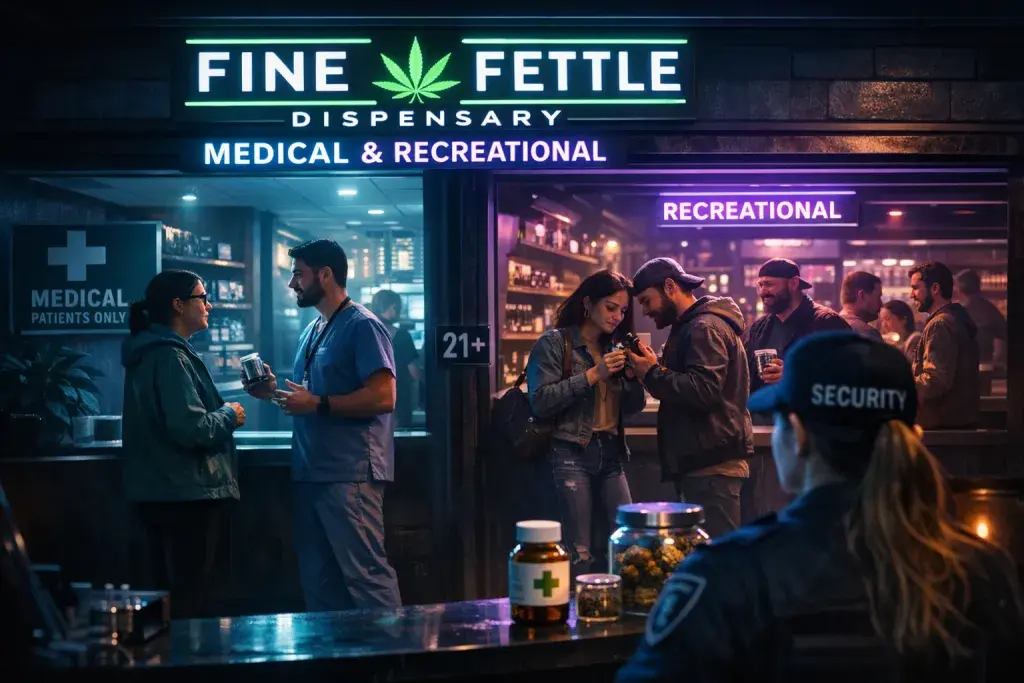
Fine Fettle, a cannabis dispensary chain with multiple locations across Connecticut including Willimantic, plans to shift all its stores to hybrid operations on Thursday. This change aligns with a new state law that permits such conversions, broadening access to medical cannabis alongside recreational sales. The move reflects Connecticut's accelerating push to integrate medical and adult-use markets.
State Law Drives Dispensary Transformation
Connecticut legalized recreational cannabis sales in 2021, following medical cannabis approval in 2012. Dispensaries initially operated under strict medical-only rules, requiring patient certifications and limiting product availability. The recent law allows established medical providers like Fine Fettle to add recreational sales without new licenses, streamlining operations while preserving medical priorities. Fine Fettle's Thursday rollout affects all its sites, ensuring consistent service statewide.
Expanded Access for Medical Patients
Hybrid models combine dedicated medical services with general retail, often through separate lines, hours, or product sections. Medical patients gain from increased inventory and convenience, as recreational demand prompts larger selections of strains, edibles, and concentrates suited to therapeutic needs. Connecticut's framework maintains discounts and priority for registered patients, protecting access amid rising recreational traffic. This setup addresses common bottlenecks in purely medical dispensaries, where limited stock once frustrated users seeking relief from chronic pain, anxiety, or nausea.
Balancing Growth and Regulation
The conversion arrives as Connecticut's cannabis market matures, with hybrid operations now standard in states like Massachusetts and New Jersey. Fine Fettle's expansion could boost tax revenues, which fund community programs, while intensifying competition among 50-plus dispensaries. Regulators emphasize compliance with potency limits, labeling, and age checks to safeguard public health. Critics worry about potential medical access strains from recreational crowds, though state oversight aims to mitigate such risks through capacity requirements and patient protections.
Outlook for Connecticut's Cannabis Landscape
More chains may follow Fine Fettle's lead, fostering a unified market that simplifies consumer choices. Medical cannabis, rooted in evidence for conditions like epilepsy and multiple sclerosis, benefits from economies of scale without diluting its focus. As hybrid stores proliferate, Connecticut positions itself as a regional leader, potentially drawing visitors while prioritizing equitable access and safety standards.