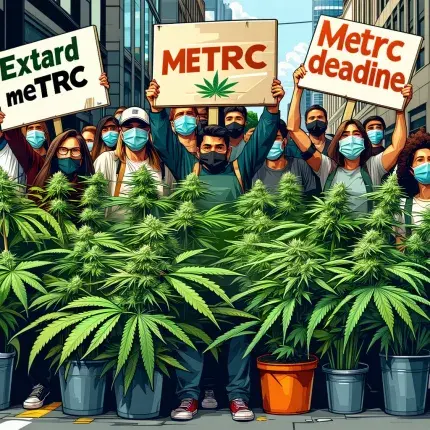
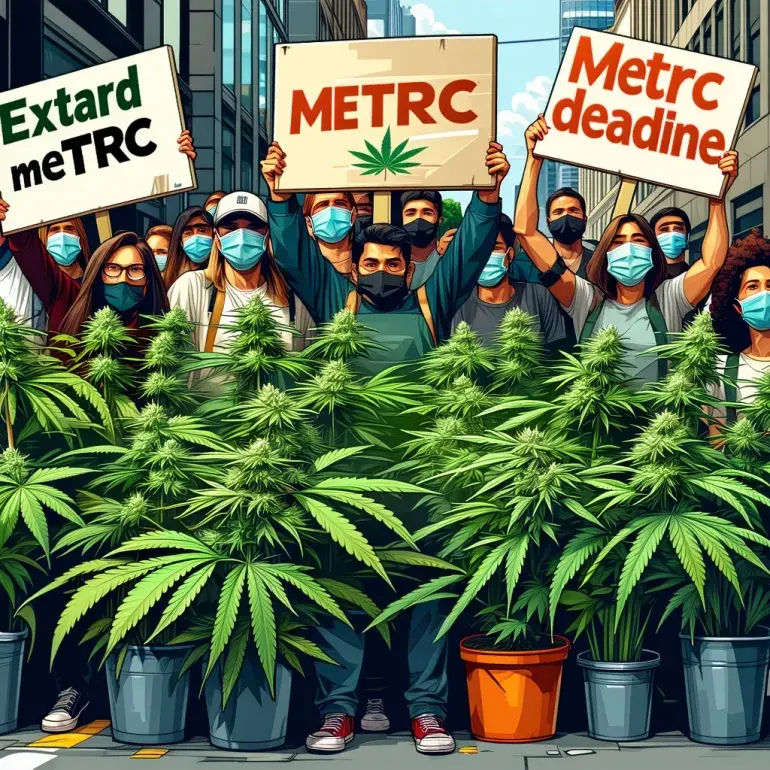
As December 17 approaches, New York cannabis growers and retailers are urging the Office of Cannabis Management (OCM) for more time to implement Metrc's track-and-trace system, warning that a rushed rollout risks data errors and harms smaller operators in an already turbulent market.
Industry Calls for a Grace Period
The Cannabis Association of New York (CANY) led the charge with a letter to OCM, requesting a "reasonable grace period" especially for equity-focused small businesses. CANY President Damien Cornwell highlighted the timing clash with the holiday rush—America's peak retail day—arguing it unwise to enforce strict compliance amid such chaos.
- Prevents inaccurate data entry that could trigger penalties
- Protects equity licensees, vital to New York's social justice cannabis goals
- Allows Metrc and OCM to resolve glitches collaboratively
Switch from BioTrack to Metrc Amid Training Push
New York relied on BioTrack for supply chain tracking until a recent partnership shifted to Metrc, the dominant seed-to-sale platform used in over 20 states. Last month, Metrc hosted in-person workshops covering system access, setup, and best practices. Yet operators report insufficient preparation for full compliance by mid-December, echoing common rollout pains in nascent cannabis markets where tech integration lags behind legalization pace.
Track-and-trace systems like Metrc are essential for curbing black market infiltration—estimated at 80% of U.S. cannabis sales—by verifying product origins, potency, and safety from seed to shelf, ultimately boosting consumer trust and public health.
OCM Leadership Turmoil Adds Uncertainty
Complicating the timeline, OCM Acting Executive Director Felicia Reed resigned at Governor Kathy Hochul's request, tied to a botched Omnium investigation involving alleged "rent-a-license" schemes flooding dispensaries with illicit product. Chief Administrative Officer Susan Filburn now steps in, facing pressure to stabilize regulations as New York's legal market struggles to capture just 20% of total sales.
Hochul criticized OCM for impeding growth, underscoring tensions between stringent oversight and market expansion in a state aiming for $2 billion in annual sales by 2027.
Implications for New York's Cannabis Future
A delay could foster smoother adoption, minimizing compliance failures that sideline small growers and erode equity programs designed to redress prohibition-era harms. Without it, expect fines, shutdowns, and slowed market maturation—mirroring delays in states like California, where early tracking woes prolonged illicit dominance. Prioritizing flexibility now positions New York to build a robust, safe industry, aligning regulatory tech with real-world operator needs for sustainable growth.