
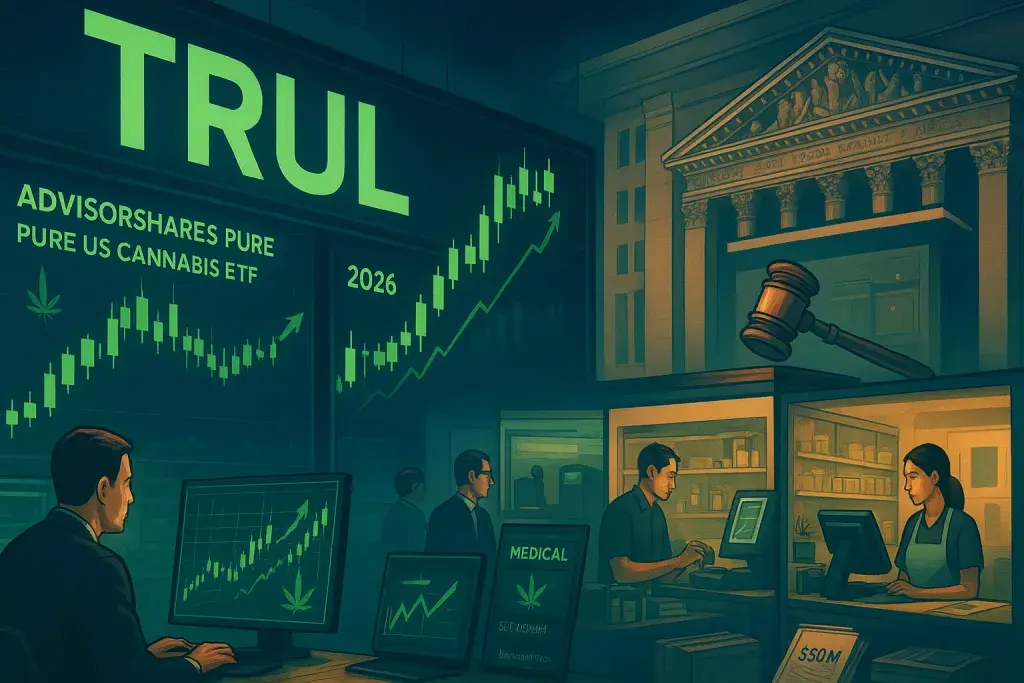
The AdvisorShares Pure US Cannabis ETF (MSOS) has climbed to its highest point of 2026, a run that says less about any single company and more about how thin the line has become between speculation and genuine regulatory progress in this industry. Investors are positioning ahead of a June 29 administrative hearing that could reshape how cannabis is classified at the federal level, and Trulieve's move onto the NYSE has given the trade a concrete symbol to rally around.
Multi-state operators have spent years arguing that federal scheduling, not consumer demand, is what actually caps their growth. Every dispensary that runs a modern point-of-sale system tied into seed-to-sale tracking, every wholesaler managing SKU-level inventory across state lines, still contracts under Schedule I limitations that block ordinary business deductions under Section 280E. That tax burden has forced operators to get disciplined about back-office systems generally - inventory shrinkage, compliance logs, budroom reconciliation, the unglamorous stuff that determines whether a license actually turns a profit. Retailers in newer medical and adult-use markets have leaned on platforms like crm software for a dispensary rhode island operators use to manage compliance recordkeeping and customer relationships without falling out of step with state reporting rules, a reminder that the operational plumbing behind these stocks matters as much as the headlines driving them.
What The Trulieve Listing Actually Signals
Trulieve's NYSE listing under the ticker TRLV is notable less for the trading venue itself and more for what it required: separating medical cannabis operations from adult-use business lines to satisfy exchange standards. That structural split is a preview of what other multi-state operators will likely face if they want senior-exchange access. Cresco Labs' new $50 million revolving credit facility points the same direction - non-dilutive financing that positions a company for capital markets access most cannabis operators have been locked out of since inception. None of this guarantees an uplisting timeline for any other operator, and it's worth being plain about that. A single listing doesn't rewrite banking law or federal scheduling on its own.
Why The June Hearing Carries Real Weight
The administrative hearing scheduled through mid-July will examine whether cannabis, including adult-use products, should move to Schedule III alongside the medical-only reclassification already granted earlier this year. That earlier move eliminated 280E tax penalties for licensed medical operators, letting them deduct payroll, rent, and interest like any other business. Extending similar relief to adult-use operators would change balance sheets across the sector, not just sentiment. But hearings are not votes, and rescheduling proceedings have a history of moving slower than markets expect. Operators budgeting around a favorable outcome before it's finalized are taking on real execution risk.
What Retailers And Investors Should Watch Next
For dispensary operators, the practical questions are unglamorous but important: will banking access actually loosen, will wholesale pricing pressure ease as capital becomes cheaper, and will compliant packaging and testing standards stay consistent as bigger institutional money enters the space. For investors chasing upside numbers on companies like Verano or Jushi, the wider price target spreads reflect real balance-sheet risk, not just growth potential. Retail sentiment on platforms like Stocktwits running "extremely bullish" is worth noting as a mood indicator, nothing more. Regulatory hearings, tax code, and license structures move on their own schedule, regardless of how a chart looks in the meantime.