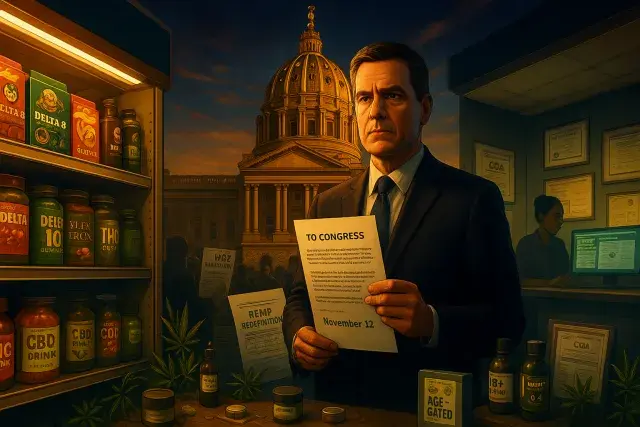
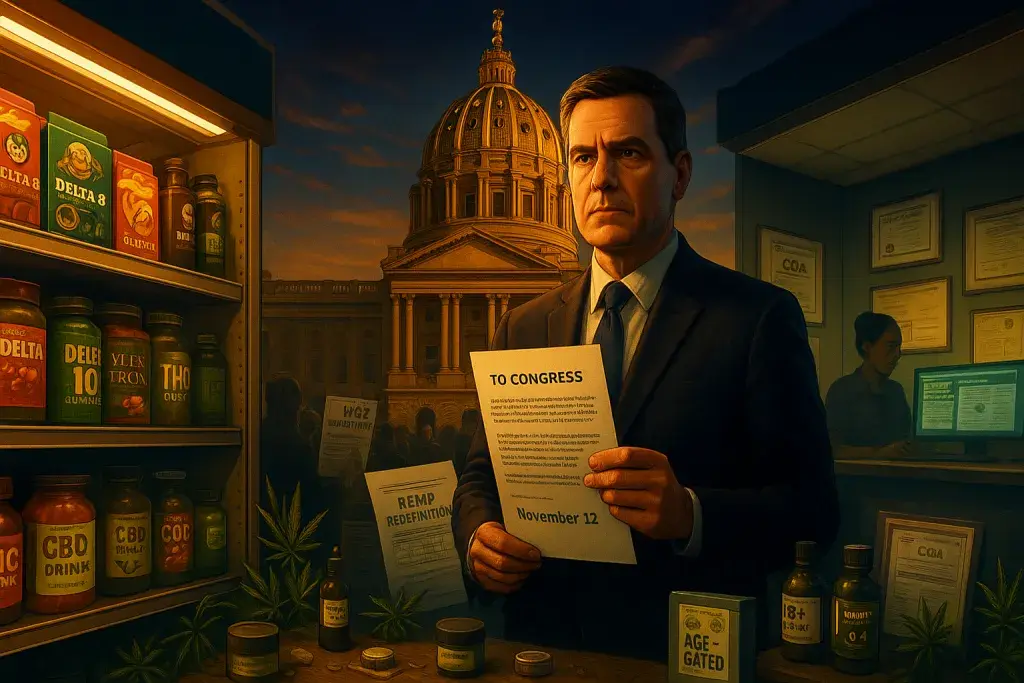
Pennsylvania Attorney General Dave Sunday has joined more than 30 counterparts nationwide in pressing Congress to let a sweeping redefinition of hemp take effect on schedule in three months, rather than delay it through pending federal funding legislation. The letter frames the change as a public safety fix aimed at intoxicating THC products sold at gas stations and convenience stores with little oversight. But the same rule change would also hit hundreds of licensed hemp growers, processors, and consumable brands that never touched the intoxicating market in the first place.
The mechanics matter here. Current federal law defines hemp by its delta-9 THC content at harvest - under 0.3%, and it's legal; over that, it's marijuana. That threshold said nothing about what happens after harvest, which is exactly the gap that let delta-8 and delta-10 products flood retail shelves outside any licensing or age-verification framework resembling what regulated dispensaries already follow. The new statute closes that gap by measuring total THC in a finished product and capping it at 0.4 milligrams per container - a standard so tight it would sweep up sleep-aid tinctures and low-dose gummies alongside genuinely intoxicating drinks. For multi-state operators and ancillary vendors accustomed to compliance frameworks - the kind of infrastructure built into dispensary software in Tennessee and other regulated markets - the contrast with hemp's largely unregulated retail channel has been stark for years. dispensary software in Tennessee
Why Retailers and Regulators See the Same Problem Differently
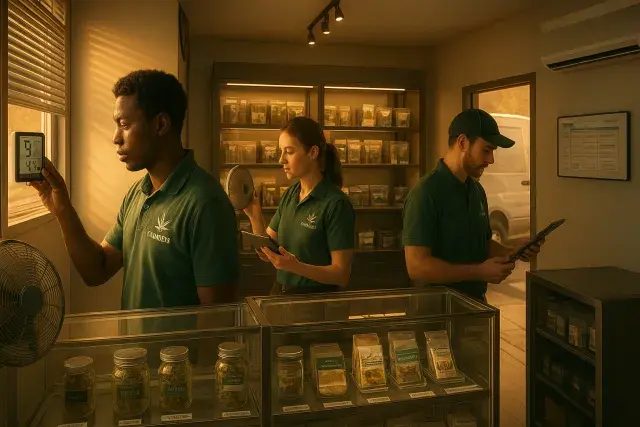
Dispensary operators in adult-use and medical markets already live under seed-to-sale tracking, COA requirements, and strict packaging rules. Hemp-derived consumables sold at convenience stores have operated with none of that - no mandated lab testing disclosure, no purchase-age verification in many states, no seed-to-sale accountability. That asymmetry is what pushed law enforcement toward a blunt federal fix rather than a state-by-state patchwork. The trouble is that a total-THC container standard doesn't distinguish between a gas-station vape cartridge marketed with cartoon branding and a CBD tincture sold as a wellness product with no intoxicating effect. Both get treated the same way under the new definition, which is precisely what hemp advocates are objecting to.
The Business Fallout Beyond Intoxicating Products
Pennsylvania's Department of Agriculture has licensed dozens of hemp growers and processors, and industry groups estimate the new rule could eliminate the large majority of the hemp consumable marketplace nationally - not just synthetic cannabinoid products, but CBD drinks, oils, and supplements containing only trace, non-intoxicating THC. Growers who sell exclusively into that legitimate CBD supply chain say they're being caught in a dragnet meant for bad actors they've never done business with. That's a real supply chain problem: contracts, wholesale pricing agreements, and processor relationships built over years could unwind inside a single fiscal quarter if the November deadline holds without a legislative fix.
What a Regulated Model Would Actually Require
Hemp industry voices pushing back on the ban aren't arguing against oversight itself - several, including Lancaster-based manufacturer Endo, say they already follow voluntary standards that mirror alcohol-style retail controls. Those measures typically include:
- Published lab test results and COAs for every product batch
- Restrictions requiring natural hemp-derived cannabinoids rather than synthetic conversions
- Age-gating at point of sale, similar to alcohol and regulated cannabis retail
That's the compliant model dispensaries already operate under, and it's the direction hemp advocates say federal and state lawmakers should have pursued instead of a blanket ban. Whether Congress extends the deadline or lets it take effect Nov. 12, the underlying tension won't disappear: an industry built on a loophole is being forced to prove, in a matter of weeks, that regulation and market survival aren't mutually exclusive.