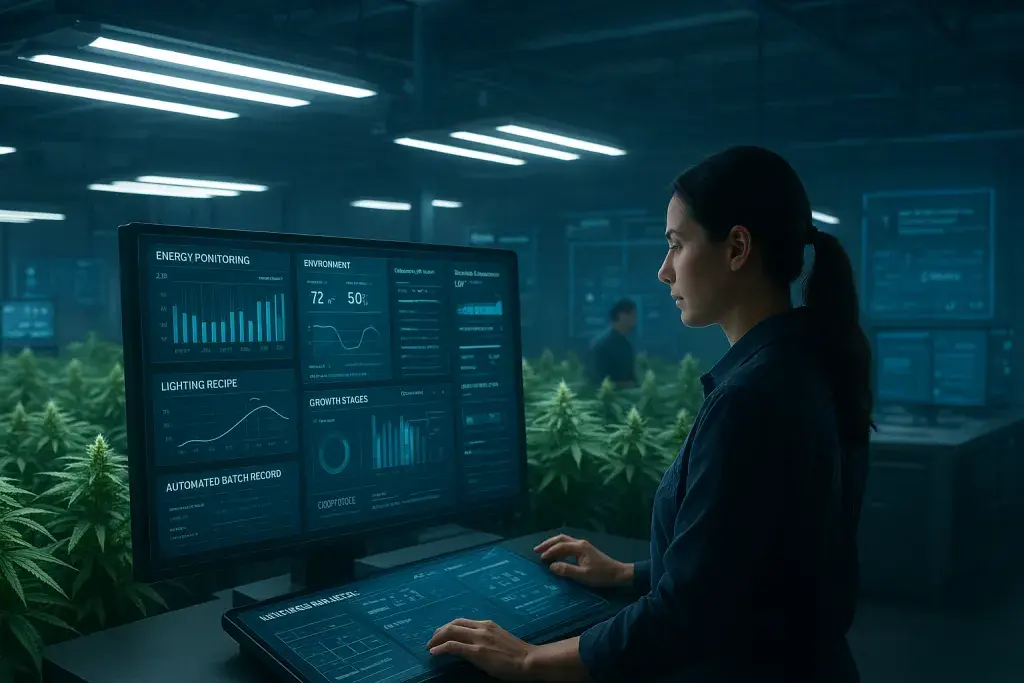
TSRgrow is rolling out a significant expansion of GROWHub, its cultivation software platform, for 2026, adding energy monitoring, expanded batch-record tools, Metrc integration and building management system connectivity to what has been primarily a lighting-control system. The update matters because it addresses a persistent operational headache for commercial cultivators: data scattered across disconnected tools, spreadsheets and manual logs that make it hard to reconstruct what actually happened during a crop cycle.
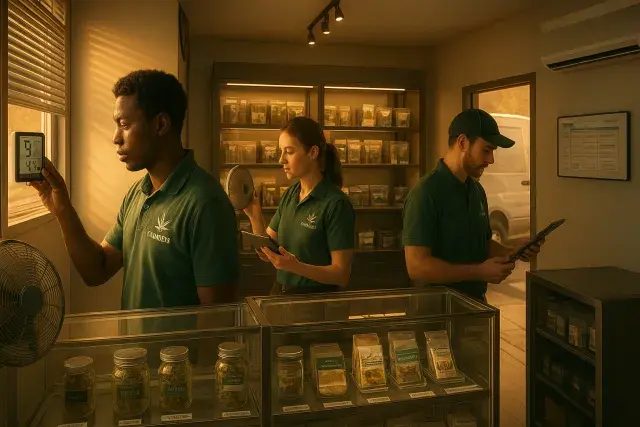
That fragmentation problem isn't unique to TSRgrow's customer base. Operators across markets that require seed-to-sale tracking have long dealt with the gap between cultivation control systems and the compliance software regulators demand. In states with mature regulatory frameworks - the kind of environment reflected in cannabis software washington operators have relied on for years - track-and-trace obligations and cultivation recordkeeping tend to evolve faster than the tools built to manage them, leaving compliance teams to stitch together information after the fact rather than as it's generated.
Why Batch Records and Metrc Integration Matter
Batch-record management sounds like a back-office chore until an audit lands on someone's desk. Expanded batch-record functionality lets cultivation teams organize environmental conditions, lighting settings and operational data around individual crop cycles rather than reconstructing them from memory or disparate logs. Tying that directly into Metrc - the track-and-trace system used across most regulated markets - narrows the gap between what growers actually did in the room and what shows up in state-mandated reporting.
In practice, though, the value isn't just about smoother audits. Traceability built into the cultivation workflow itself reduces the manual double-entry that eats into staff time and introduces error. As Sagal put it, compliance shouldn't sit apart from cultivation; when the same system controlling grow conditions also documents them, operators get a cleaner record without adding headcount.
Energy Data as an Operational, Not Just Regulatory, Concern
Energy monitoring tied to TSRgrow's Remote Power infrastructure gives cultivators a way to evaluate lighting consumption alongside environmental and production data - a pairing that matters more as utility costs and facility efficiency scrutiny both climb. Indoor cultivation is energy-intensive by nature; connecting that consumption data to specific lighting recipes, photoperiods and growth stages gives operators a factual basis for adjusting strategy rather than guessing at what's driving the utility bill.
Expanded BMS connectivity extends this further, letting GROWHub exchange information with broader facility systems instead of operating as an island. Fewer standalone platforms generally means fewer places for a data point to go missing.
What This Signals for Multi-State Operators
The push toward federal rescheduling has raised expectations that regulatory scrutiny of cultivation practices, recordkeeping and reporting will intensify rather than ease. Operators managing facilities across multiple state programs already juggle varying Metrc requirements, differing batch-tracking rules and inconsistent audit expectations. A cultivation platform that centralizes analytics, environmental data, energy use and compliance documentation doesn't eliminate that regulatory patchwork, but it does give operators a more defensible paper trail when regulators come asking - and a clearer internal record for evaluating which cultivation decisions actually moved the needle on yield and consistency.